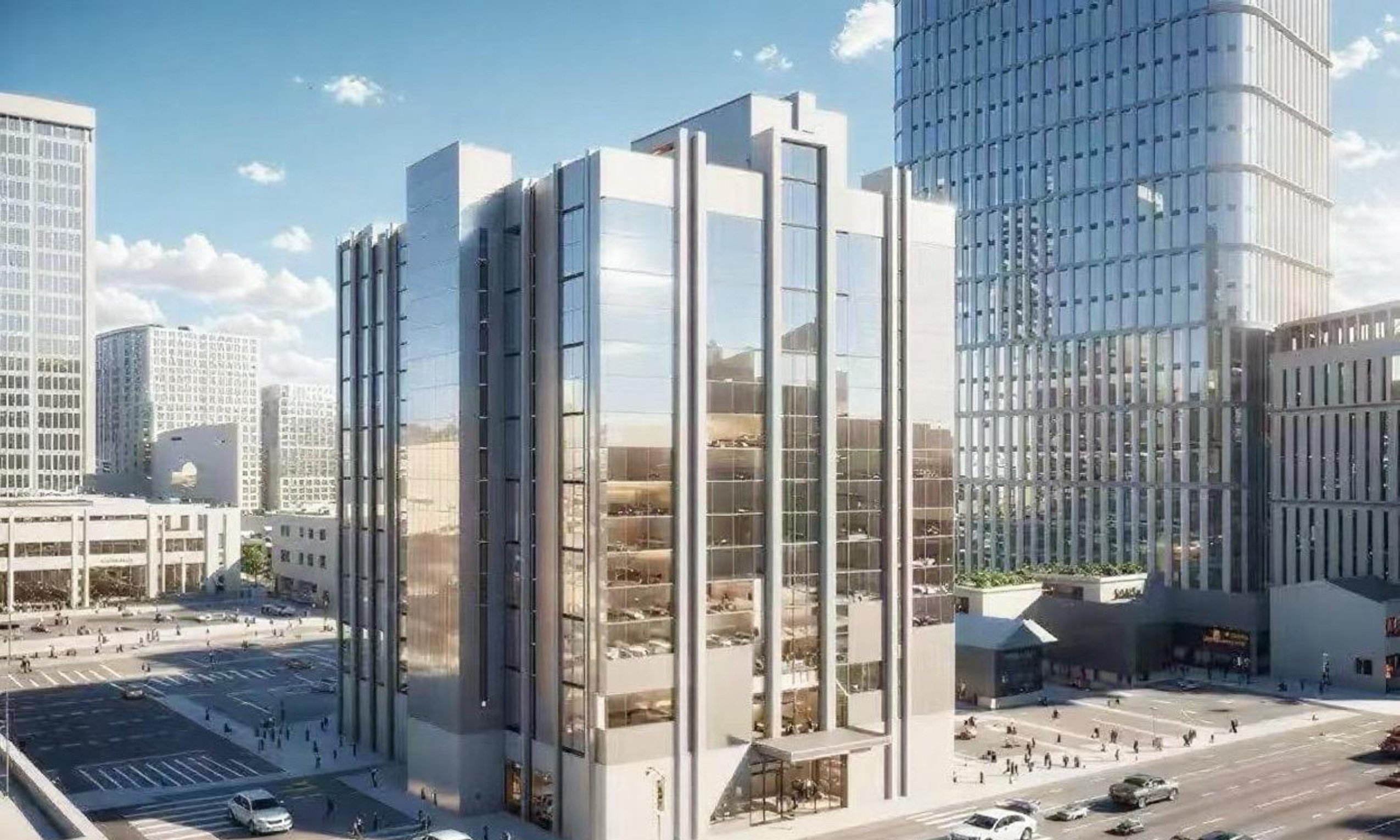
Pomona Civic Building Redevelopment
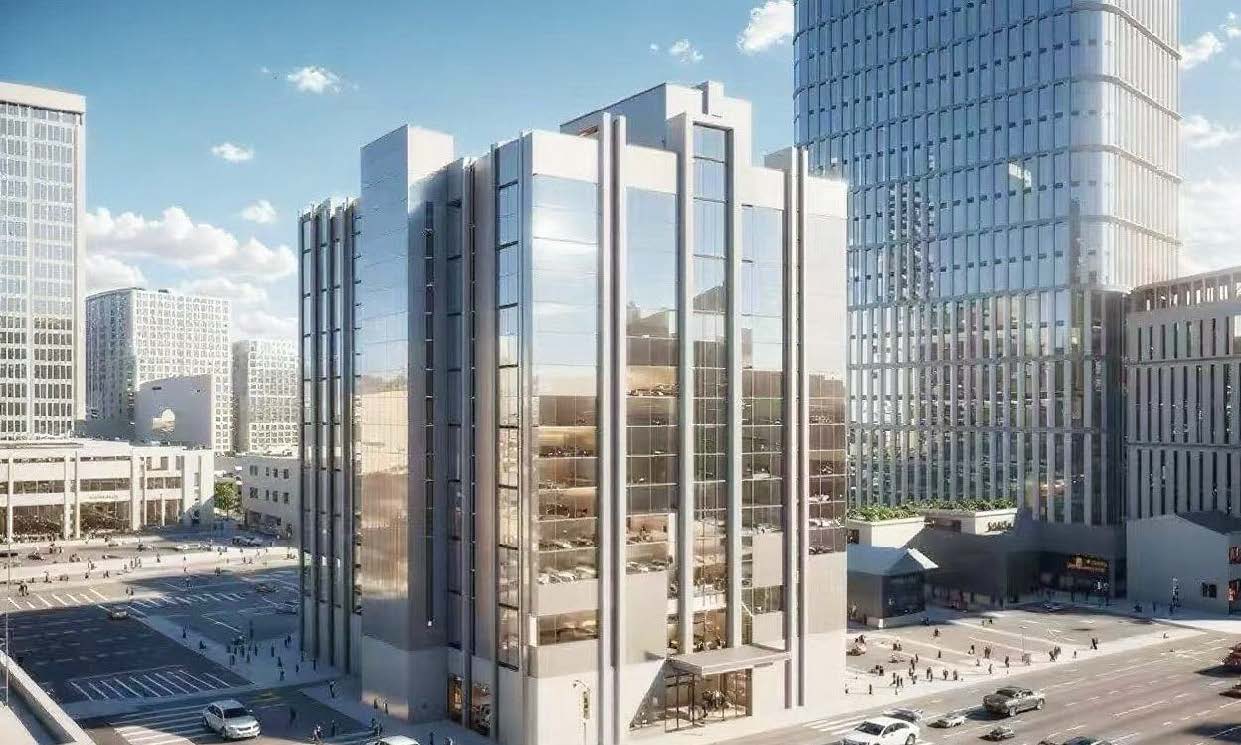
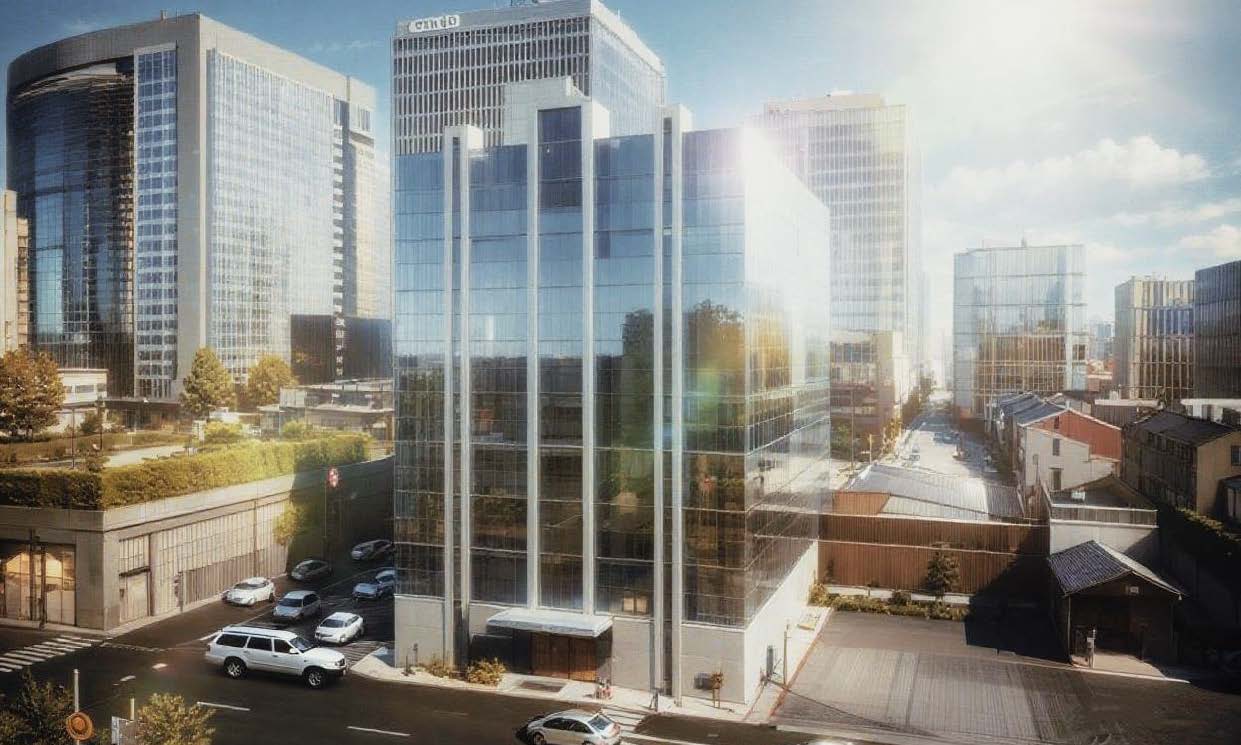
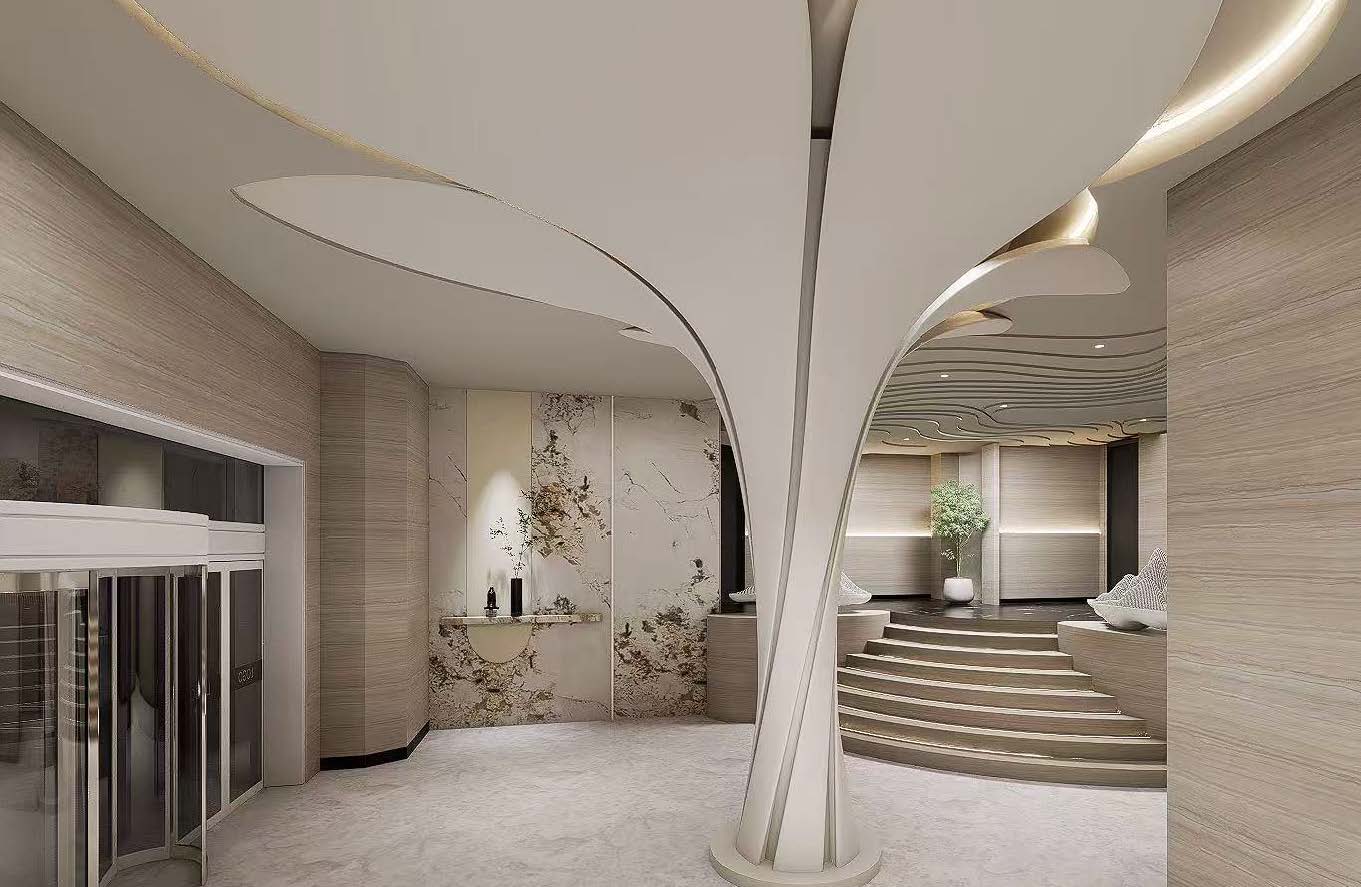
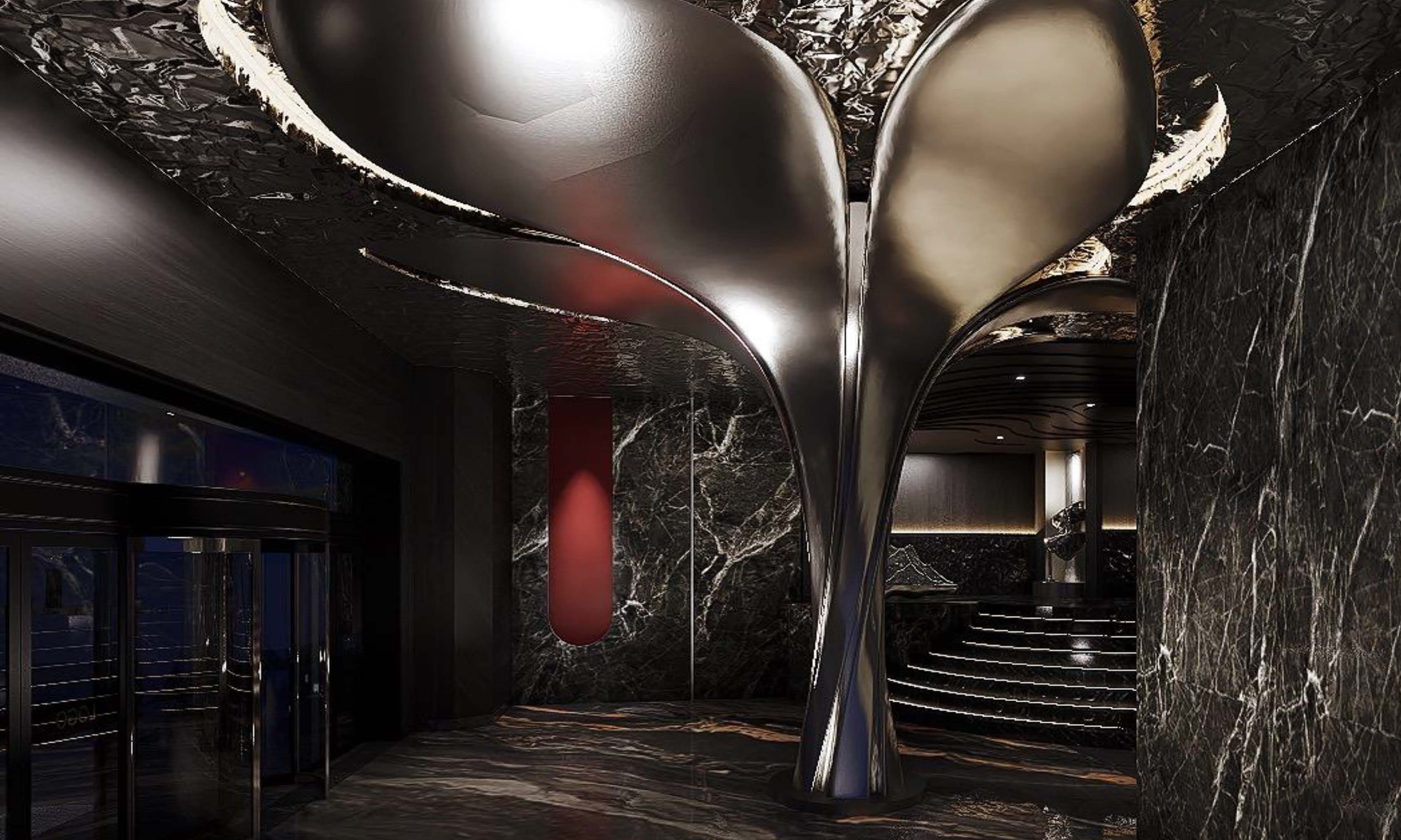
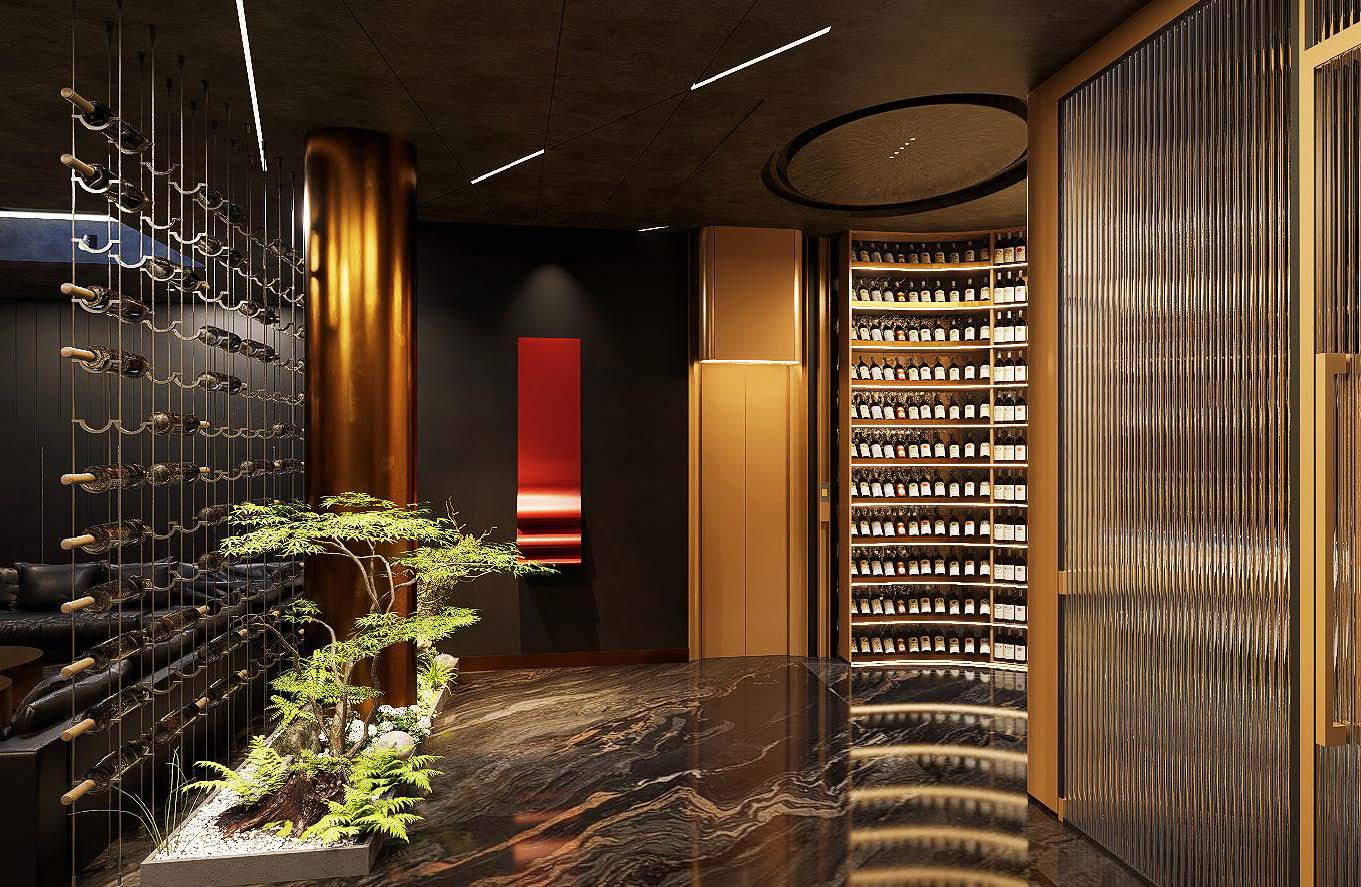
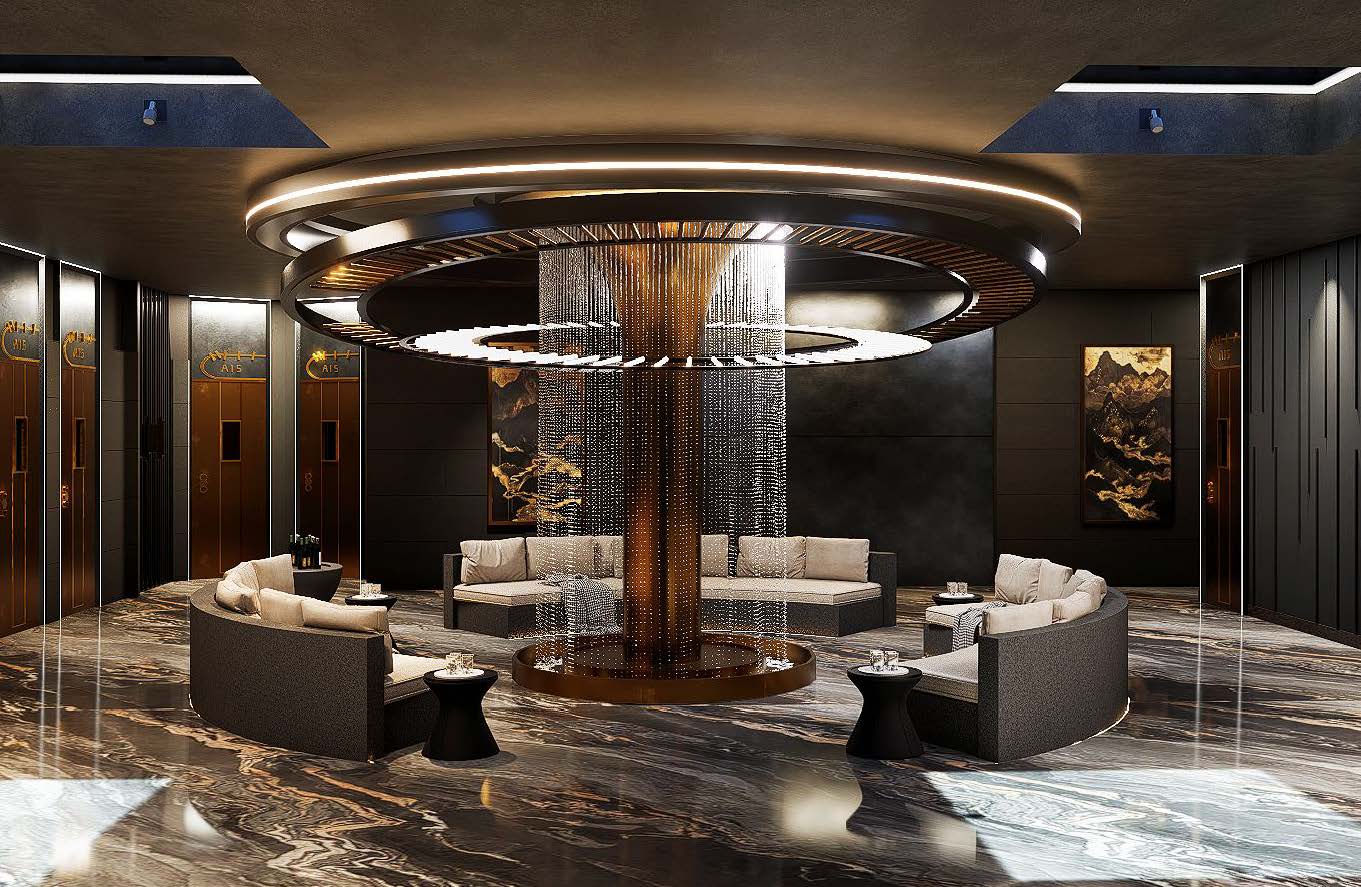
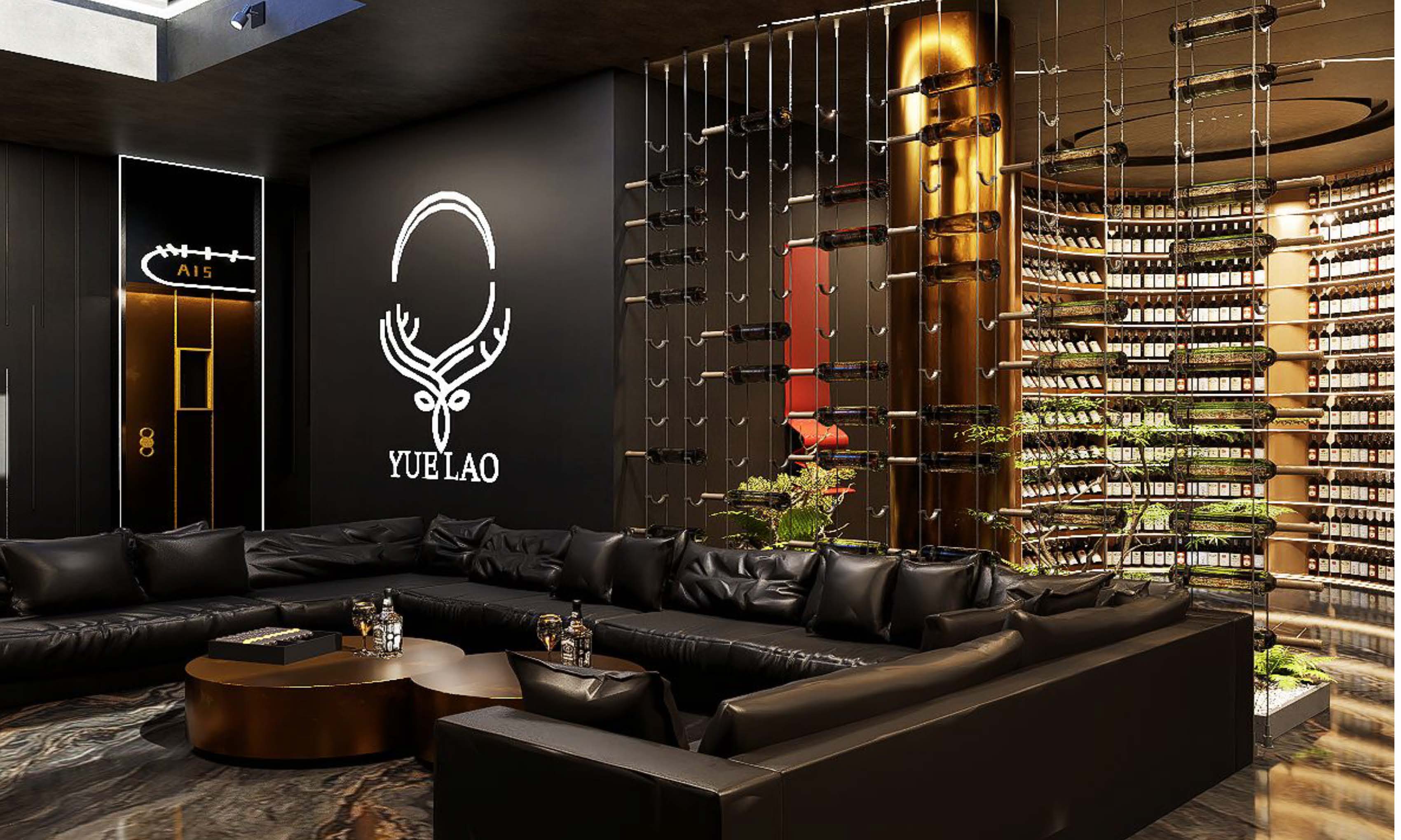
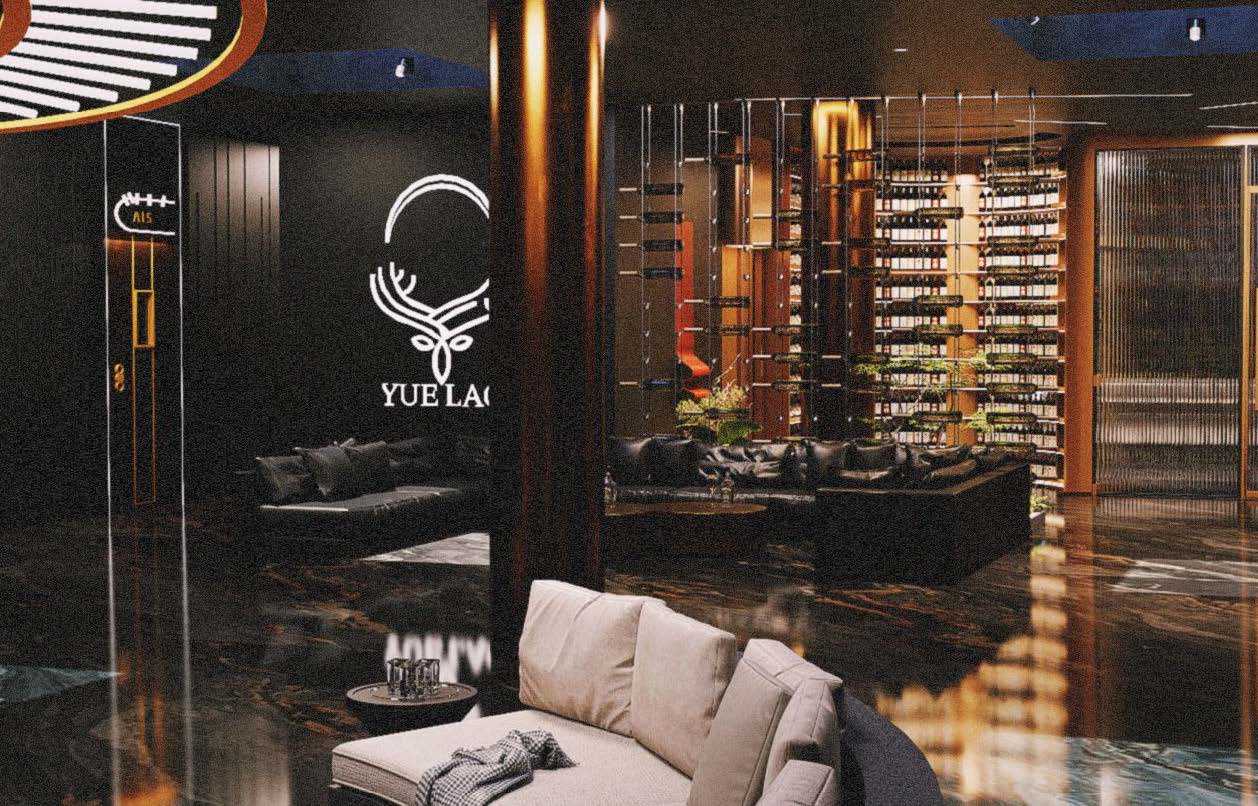
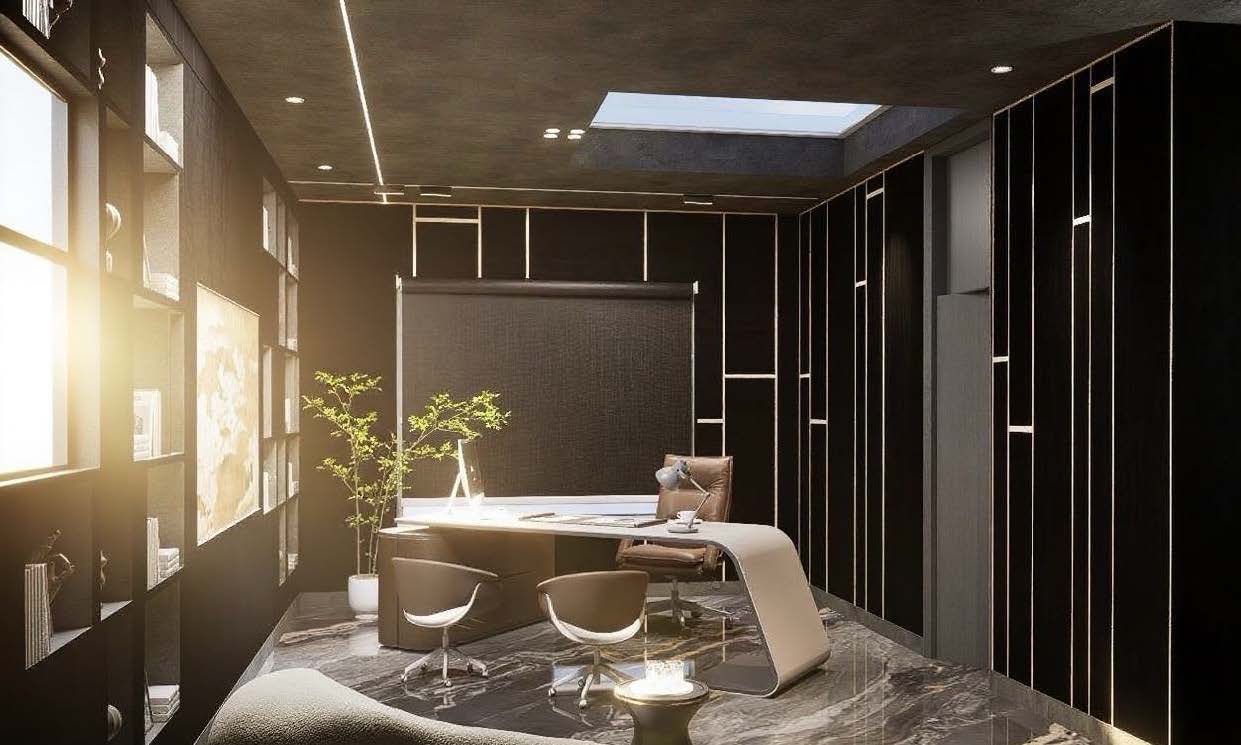
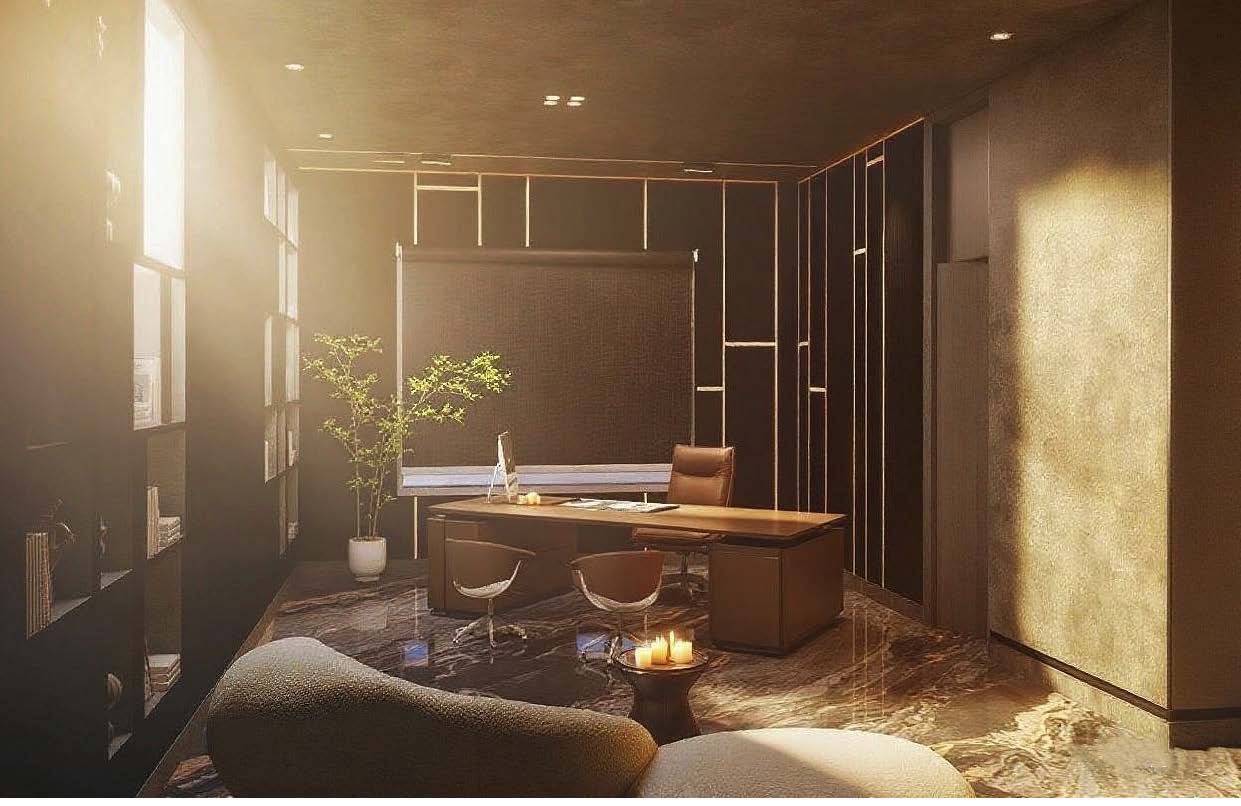
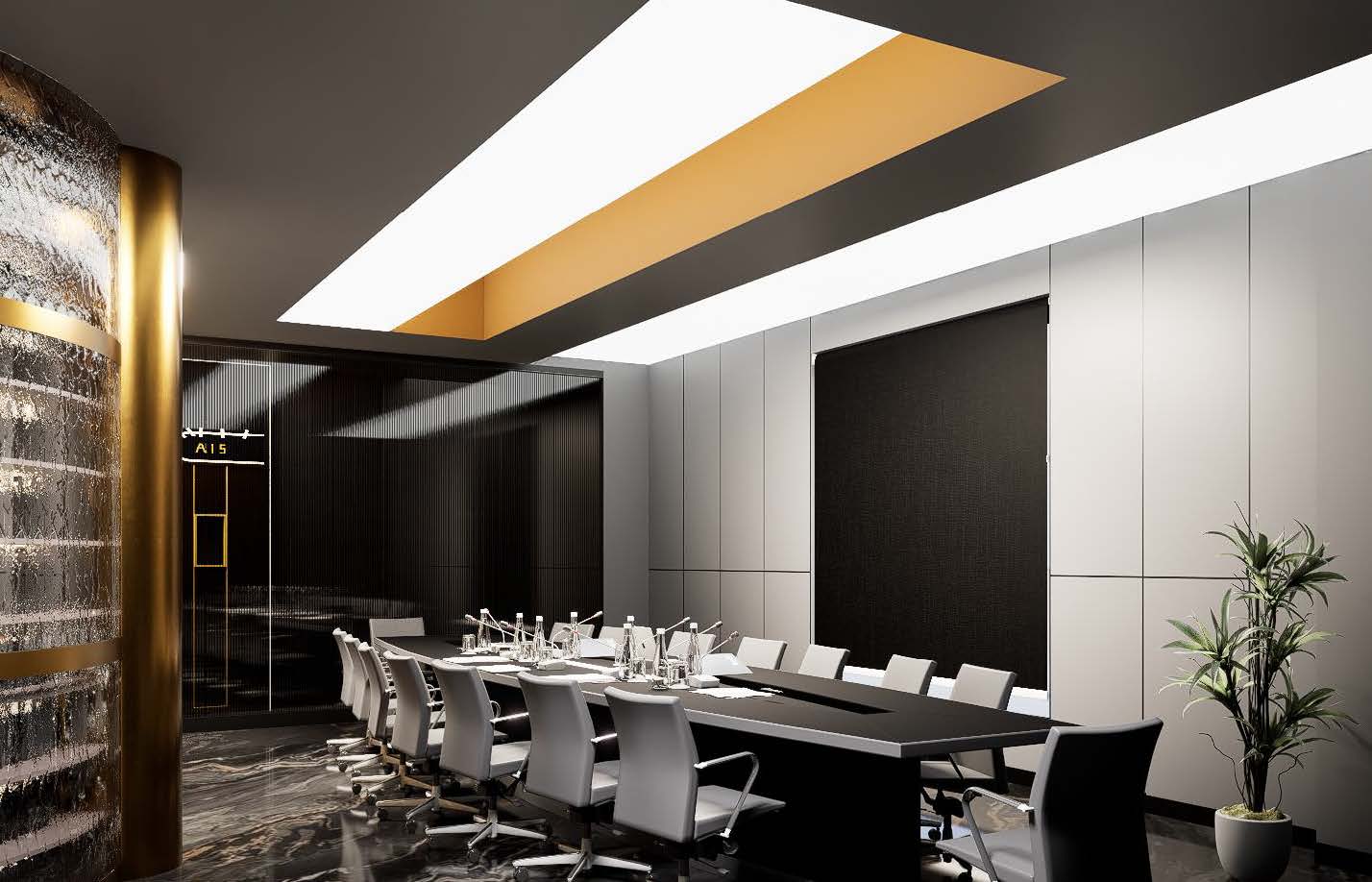
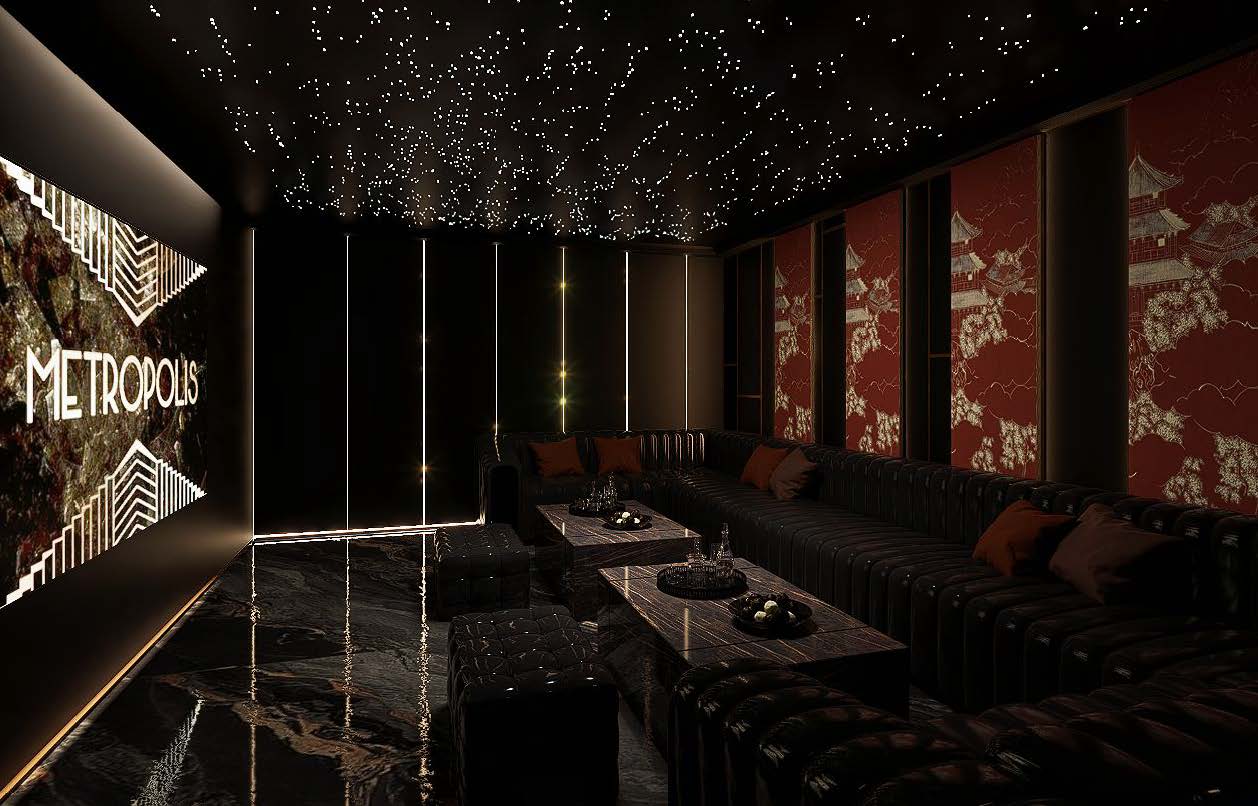
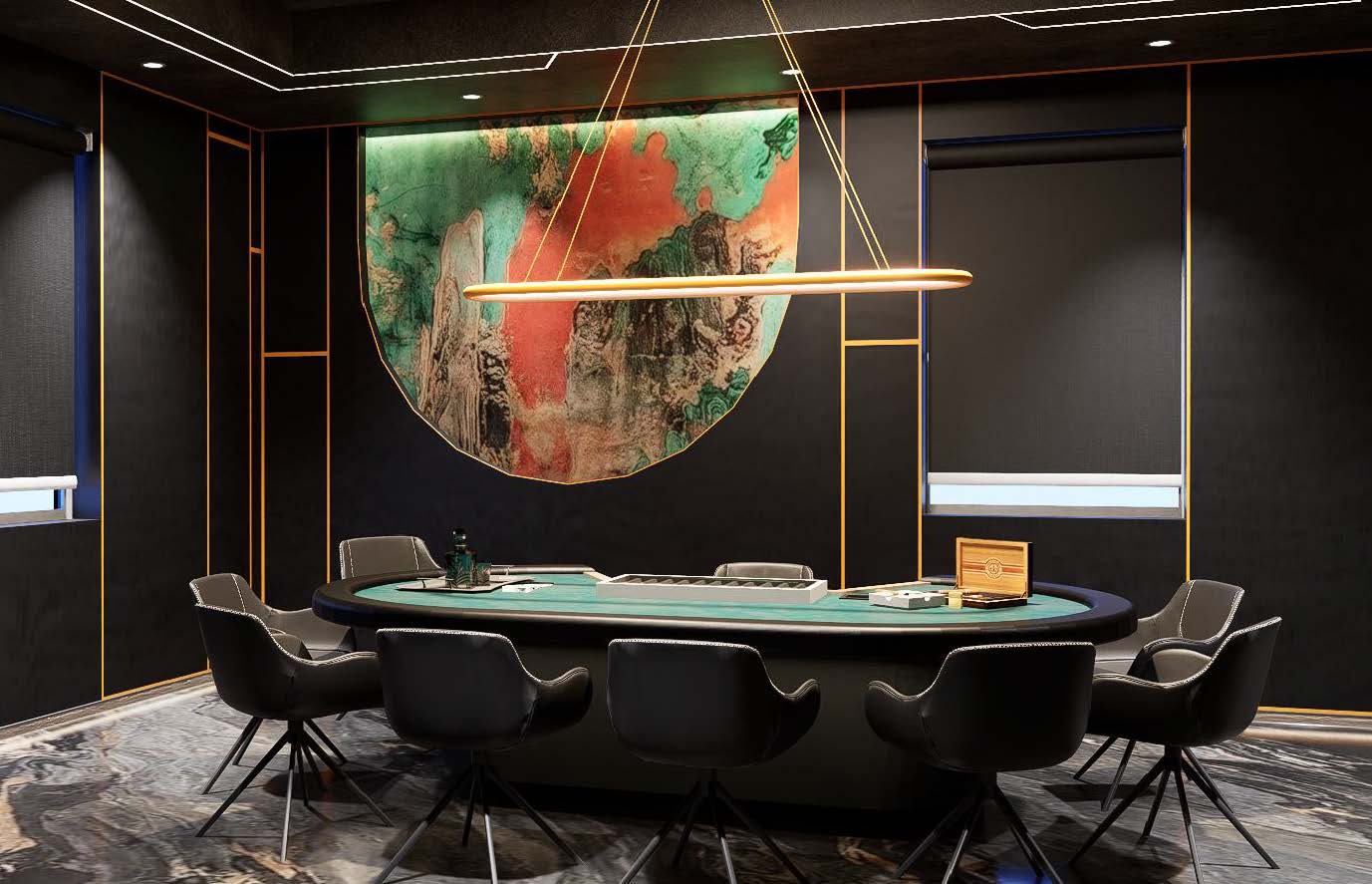
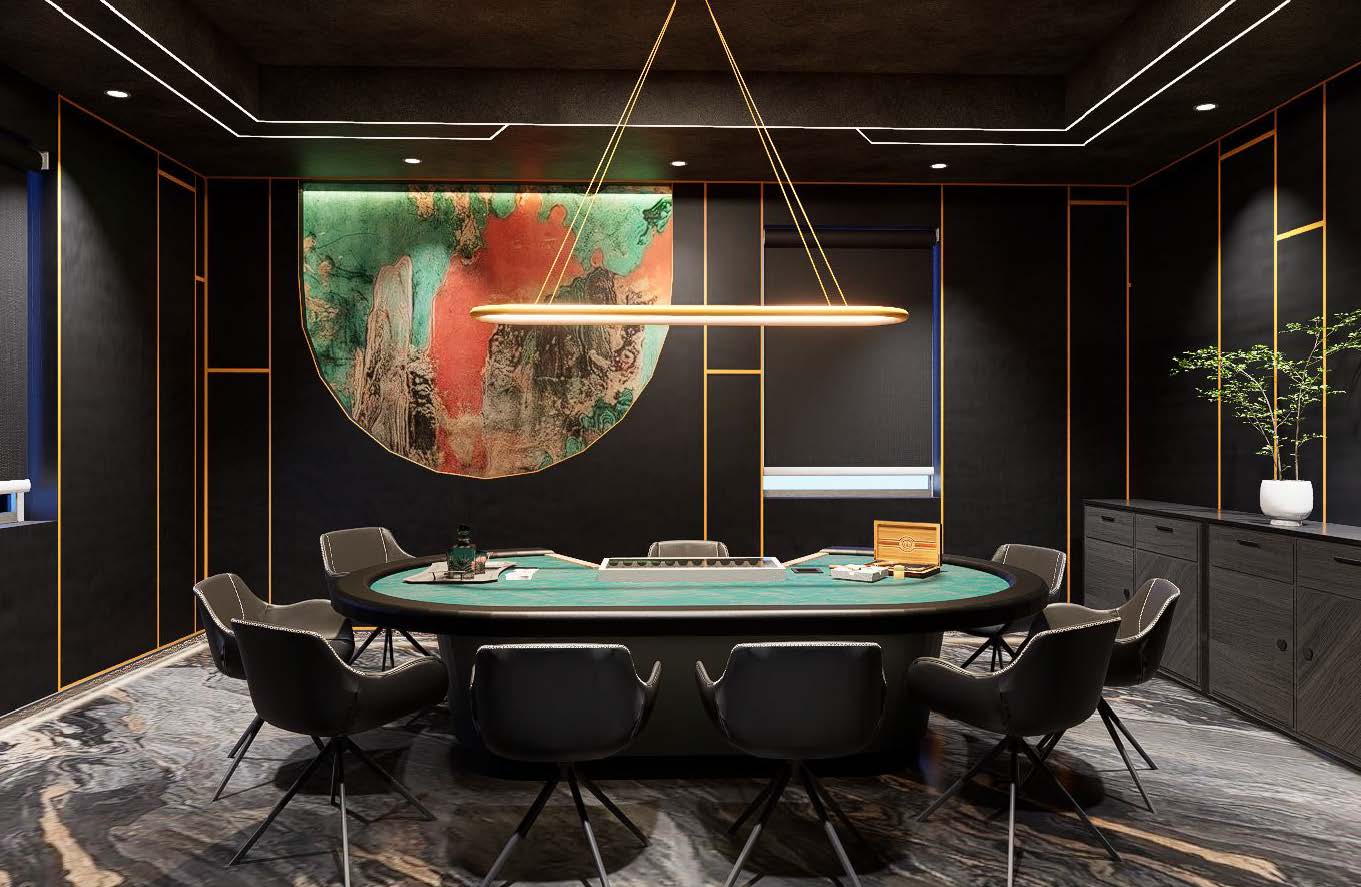
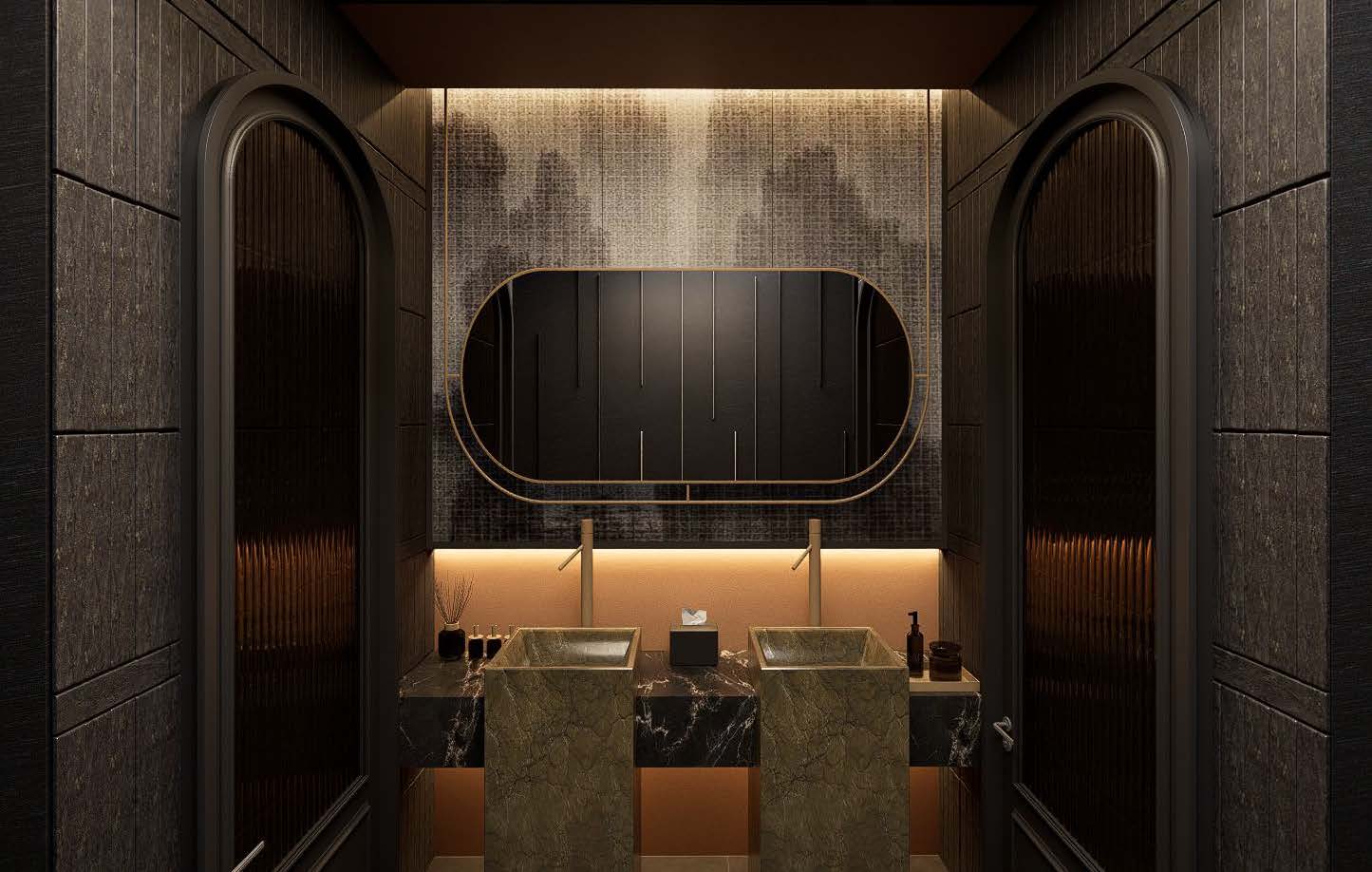
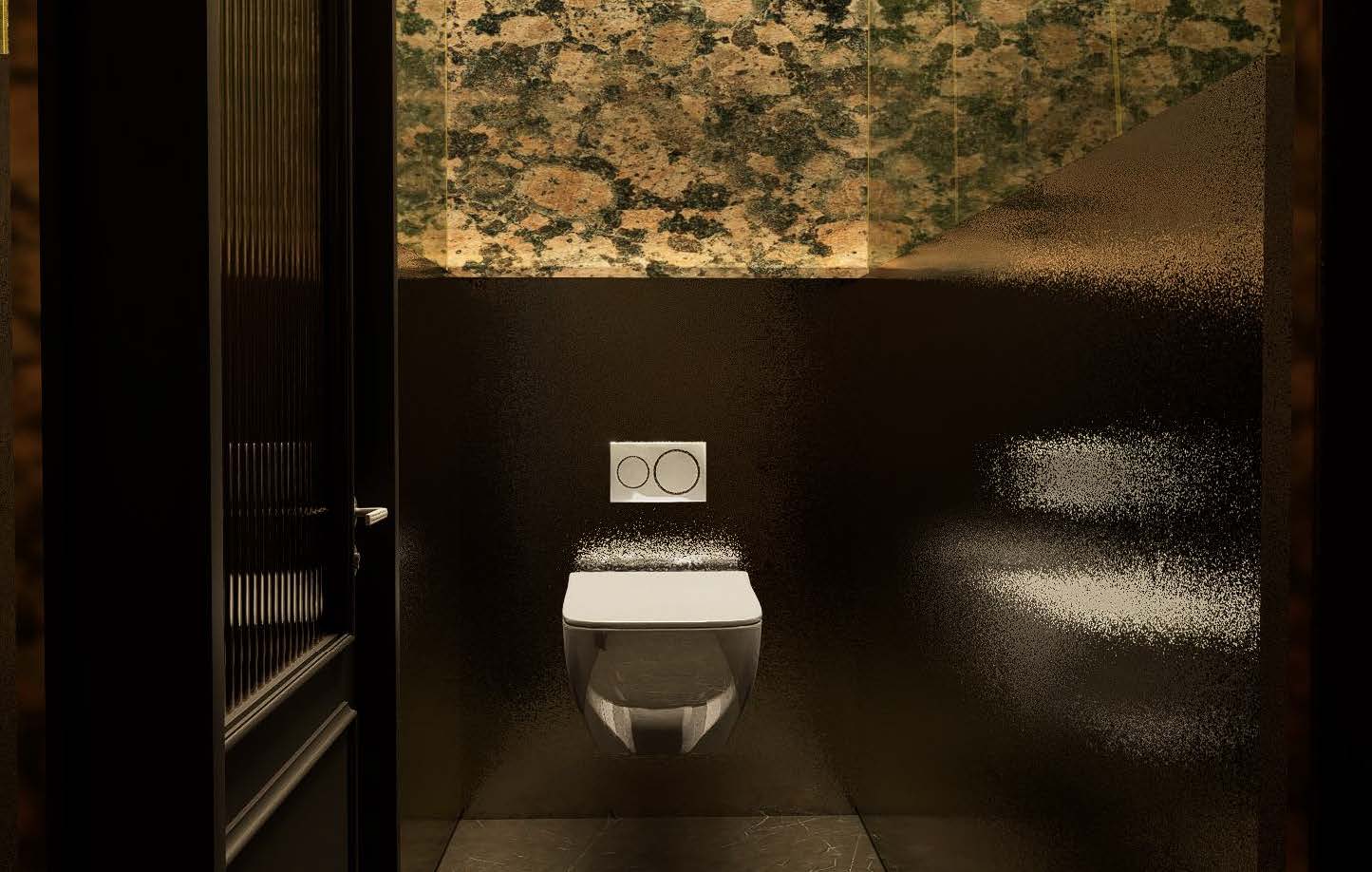
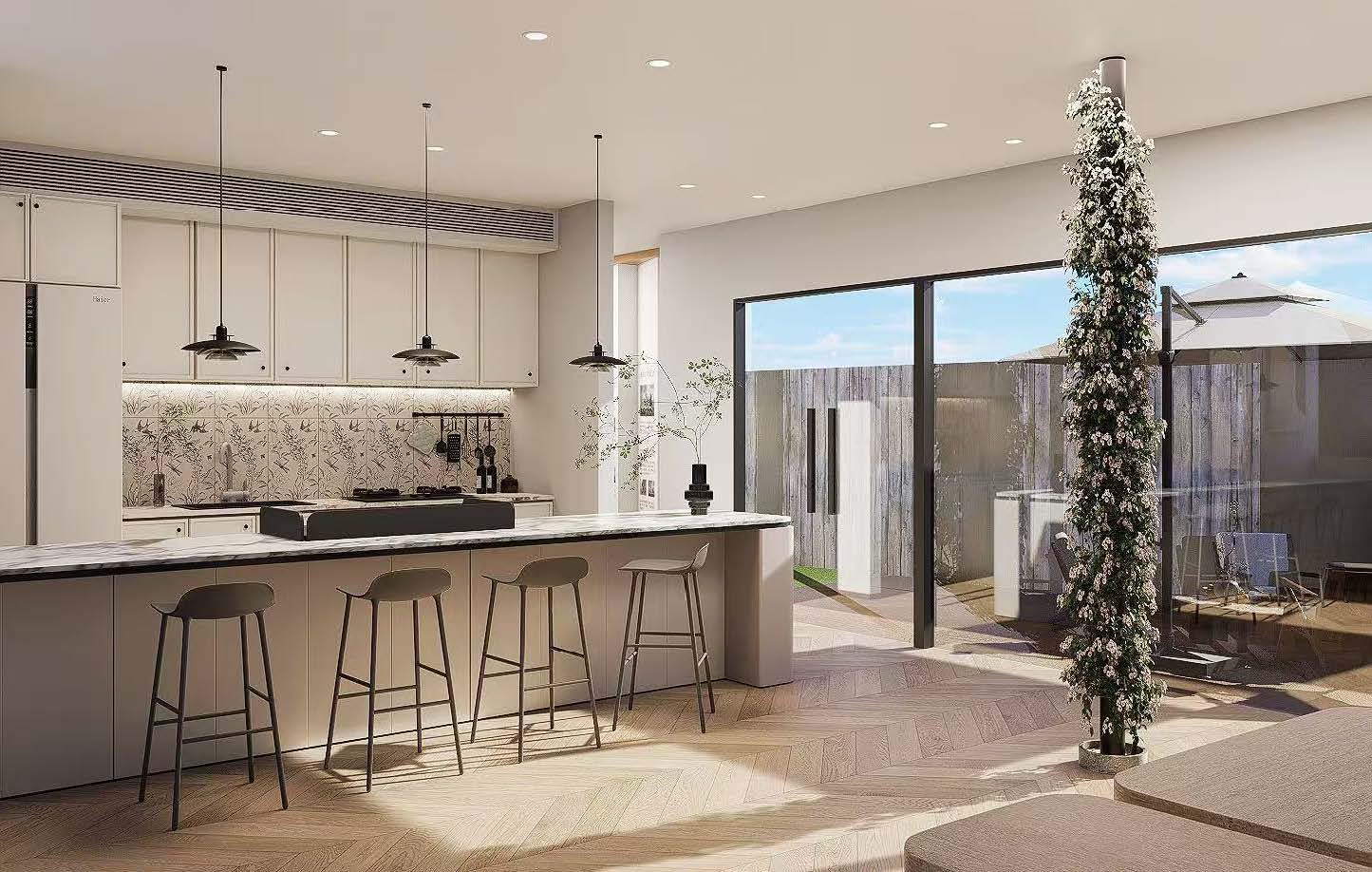
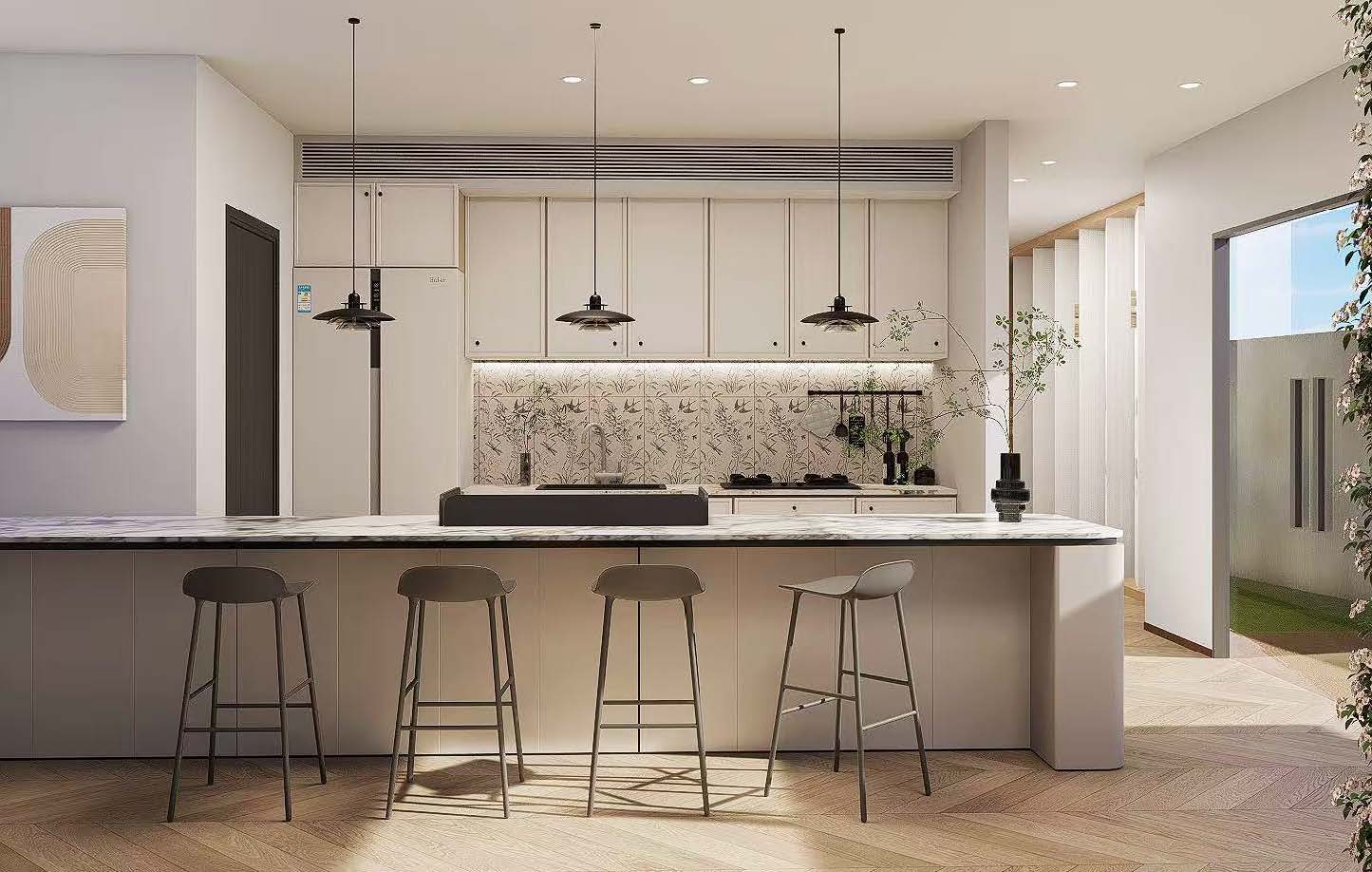
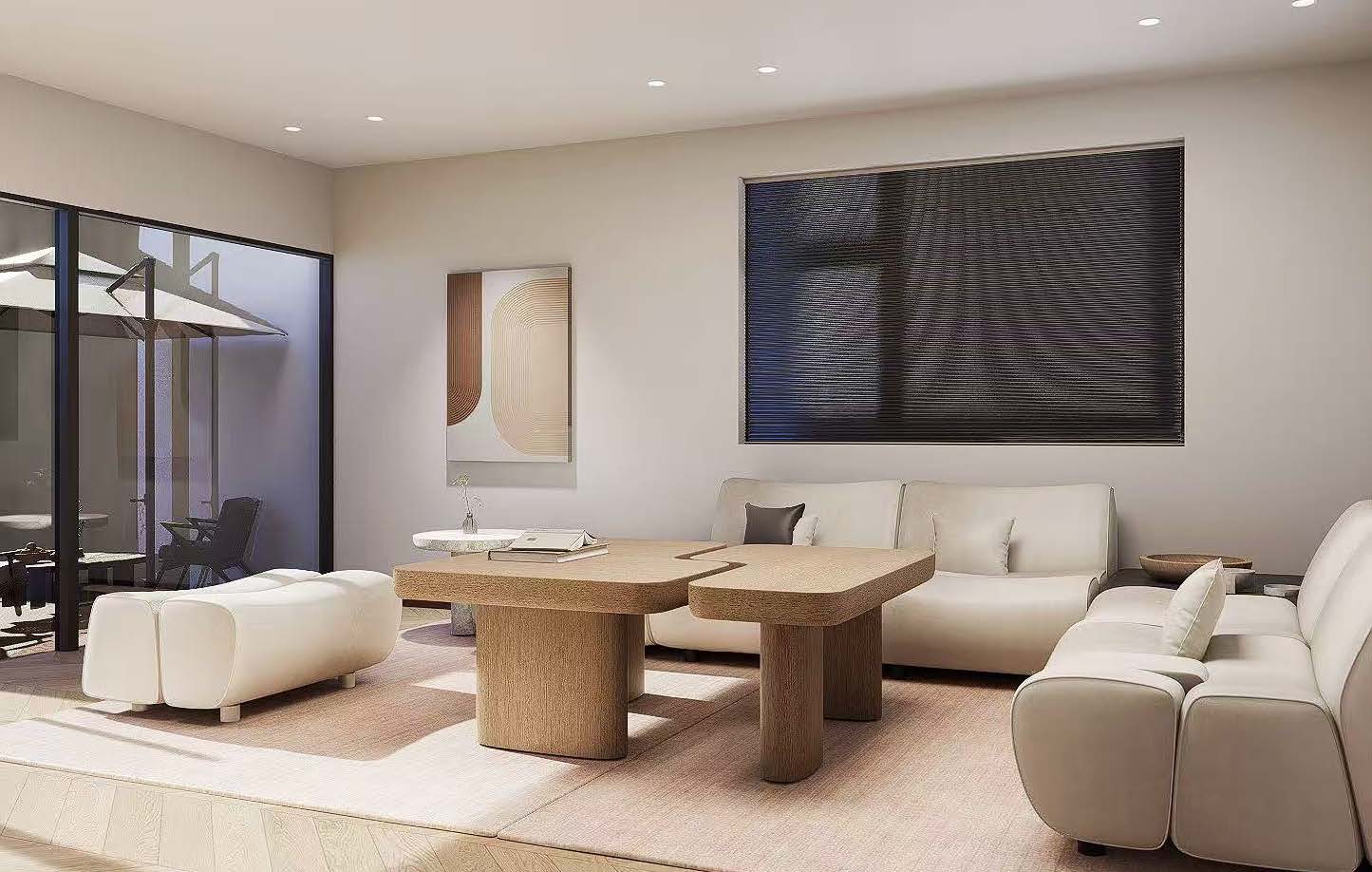
This project reimagines a six-story former government building in Pomona, California as a contemporary commercial destination—one that balances architectural clarity, programmatic flexibility, and long-term urban value. Rather than treating redevelopment as a purely functional upgrade, the design positions the building as a new civic-commercial landmark: open, refined, and adaptable to the evolving needs of the city. The design strategy responds to this shift by reframing the building’s identity: From closed institutional architecture → to an inviting, transparent commercial environment From single-purpose occupancy → to a layered, multi-user ecosystem Design Vision The architectural vision is grounded in adaptive reuse with a contemporary lens. Existing structure is respected, while new design elements introduce clarity, rhythm, and experiential richness. Key design principles include: Modernization without erasure: Clean lines, refined material palettes, and updated lighting systems elevate the building while preserving its original massing. Spatial flexibility: Floor plates are designed to support retail, offices, private clubs, and community-oriented programs—allowing the building to evolve over time. Vertical experience: Lobbies, circulation spaces, and shared areas are treated as designed moments, not leftover space, creating continuity across all six floors. Interior Design Language Interior spaces are designed to convey professionalism, exclusivity, and comfort—without feeling closed or inaccessible. Across lobbies, offices, private rooms, and amenity spaces, the design emphasizes: Thoughtful proportions and circulation Controlled lighting for atmosphere and function Material contrasts that balance warmth with precision Clear zoning between public, semi-private, and private areas The result is an environment that feels curated, adaptable, and commercially sophisticated. Sustainability & Long-Term Value Sustainability is embedded at both the architectural and development levels: Reuse of existing structure reduces material waste and embodied carbon Energy-efficient systems and lighting upgrades support long-term operational performance Flexible layouts extend the lifecycle of the building by reducing future retrofit needs Design decisions are guided not only by aesthetics, but by durability, efficiency, and return on investment. Project Significance This redevelopment demonstrates a comprehensive design capability that spans: Zoning and entitlement understanding Architectural repositioning Interior and experiential design Design-driven real estate development